Call home for a chat, not to check on the tablets.
GemCare is a ring that helps your parent remember what they mean to do. They tell it in their own words. It reminds them at the right moment, and one press says it’s done. You hear from it only when something’s been missed or they need help.
For your mum, your dad, or both. Buying for yourself? It works just the same →
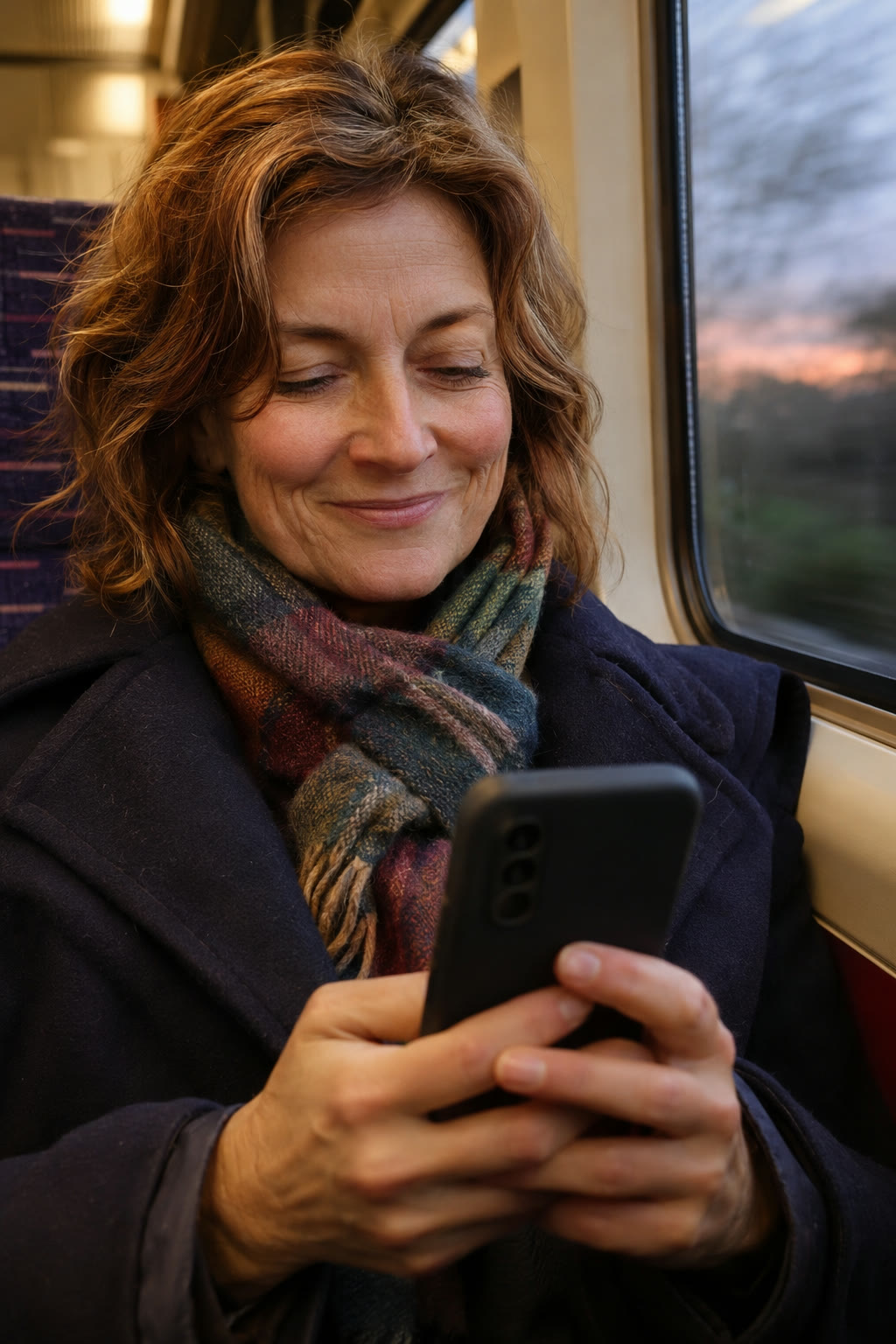
- They set their own reminders, in their own words
- You hear only when something’s missed
- Falls detected. SOS in three presses
- They decide what you see
You know this call.
“Did you take your tablets? Did you phone the surgery? Have you eaten?” You ask because you care. The answer is always yes, and you put the phone down none the wiser.
“Yes, all done” tells you nothing.
They may have taken them. They may not be sure. Over the phone you can’t tell which.
Nobody likes being checked on.
Your parent has run their own life for a long time. Being asked about tablets every evening wears on you both.
The reminders are yours, not theirs.
Notes on the fridge, alarms you set on their phone, a text at nine. They’re in your words, at times you guessed.
Their routine stays theirs. The guessing stops.
They run their day. The ring backs them up.
There are four steps, and your parent does two of them: say it, then press when it’s done.
They tell the ring.
They press and say it the way they’d say it to you. Their phone shows what it understood.
It picks the moment.
After breakfast, when they’re back from the shops, as they walk into the chemist. A buzz on the finger, then their own words on the phone.
One press: done.
If they don’t press, it tries again, a little more firmly each time.
You’re told only if it’s missed.
After a few tries with no “done”, you get a short note. The rest of the time there’s nothing for you to do.
One Thursday, from both ends of the phone
Two families, each with a parent who lives alone.
Both families are examples, not real customers.Mum. Margaret is 79 and has mild cognitive impairment. Her son Sam lives two hours away.
Dad. George is 82 and is living with early dementia. His daughter Sarah lives twenty minutes away.
“Phone the surgery about my repeat prescription.”
Nothing about it says “alarm”.
It’s a brushed-steel ring. There’s no screen to learn, no wake word, and nothing is read out loud in the middle of a shop.
- They set it by talking.“My spare keys are in the blue bowl.” “Priya’s visiting on Sunday.” “Milk, next time I’m at the shop.”
- It answers when they ask.“Where are my spare keys?” The answer shows on their phone. If they never told it, it says so instead of guessing.
- It’s discreet.A buzz on the finger, then words on the phone. Nothing is spoken aloud.
- It learns their week, and asks before changing anything.“Sunday tablets are usually nearer half past nine. Shall I move the reminder?”
- They see their progress before you do.“You did 38 of 41 things this month. Well done.”
- They don’t need a smartphone.The GemCare phone arrives set up and shows only GemCare.
Most days it says one thing: “All done today.”
GemCare Companions is the app for family and carers. You glance at it and get on with your day.
The daily viewWhat’s done, and what’s still to come.
A note when something’s missedWith one tap to call.
An alert when they need helpA fall, an SOS, or the ring left off.
A hand from wherever you areAdd an appointment and it’s on their ring.
The month on one screenSomething to take to the GP.
Bring in your brother, your sister, a neighbour or a carer. Each person gets only the alerts they need.
Join the waitlist for your family →You see that it’s done.
You don’t see what was said.
It’s their ring and their day. Your parent chooses who’s in their circle and what each person sees.
You’ll see
- whether each thing got done, and when
- a note when something’s missed, after GemCare has tried a few times
- a fall, an SOS, or the ring not being worn
- “On the way” and “Arrived” for appointments, if they agree
- a monthly summary
You won’t see
- what they said to the ring, unless they choose to share it
- their recordings, which stay on their own devices
- where they are, except in an emergency
- anything at all until they add you to their circle
It hears them only after they press. It never gives advice on doses and never diagnoses.
If your parent falls, help is already on their finger.
Pendants come off for bed and get left on the side. A ring stays on, in bed and in the shower.
- It senses a fall.Their phone asks “Are you all right?”, so they can say they’re fine.
- No answer, and their circle is alerted.Everyone in it gets their location and a prompt to call 999.
- Three presses send an SOS.For when they can’t reach the phone. The ring buzzes back so they know it’s been sent.
- You’re told if the ring isn’t on.A quiet day is never mistaken for a good one.

In falls where people over 90 were alone and couldn’t get up, their call alarm wasn’t used.
Fleming & Brayne, BMJ 2008GemCare next to what you might buy instead
| Pendant alarm | Phone alarm or smart speaker | GemCare | |
|---|---|---|---|
| Where it is | Round the neck or wrist. Often taken off for bed | In a pocket, a bag or one room | On the finger, day and night |
| Reminders in their own words | No | Yes, if they set them up themselves | Yes. They press and say it |
| Reminds them at the right place | No | Some phones can | Yes: at home, in the shop, at the surgery, when it’s time to leave |
| Knows whether it got done | No | Only if they tick it off | Yes. One press on the ring |
| Tells the family when something’s missed | No | No | Yes, after a few reminders |
| Detects a fall | Some models | No | Yes, and it asks them first |
| SOS | Yes. They press the button | Only if they can reach it or be heard | Yes. Three presses |
| Who gets the alert | A 24-hour response centre | Nobody | The people they choose, with a prompt to call 999 |
| Tells you if it isn’t being worn | Not usually | No | Yes |
Where a pendant is the better choice. A pendant service has a response centre that answers at any hour. GemCare alerts family, friends and neighbours. If your parent needs a professional response day and night, choose a monitored alarm.
Is GemCare right for your mum or dad?
A good fit if
- they live at home, often on their own
- their memory has started to let them down, or they have mild cognitive impairment or early dementia
- they can press a button and read a short message on a phone (or use the GemCare phone)
- you want to help without taking over
Probably not right if
- they can no longer follow a reminder or press a button
- they need a 24-hour professional response centre. GemCare alerts family and friends, and prompts a call to 999.
- there’s nobody who could be in their circle to respond
Not sure? Email info@mygemcare.com and we’ll call you to talk it through.
A ring for your parent. One plan for everyone who helps.
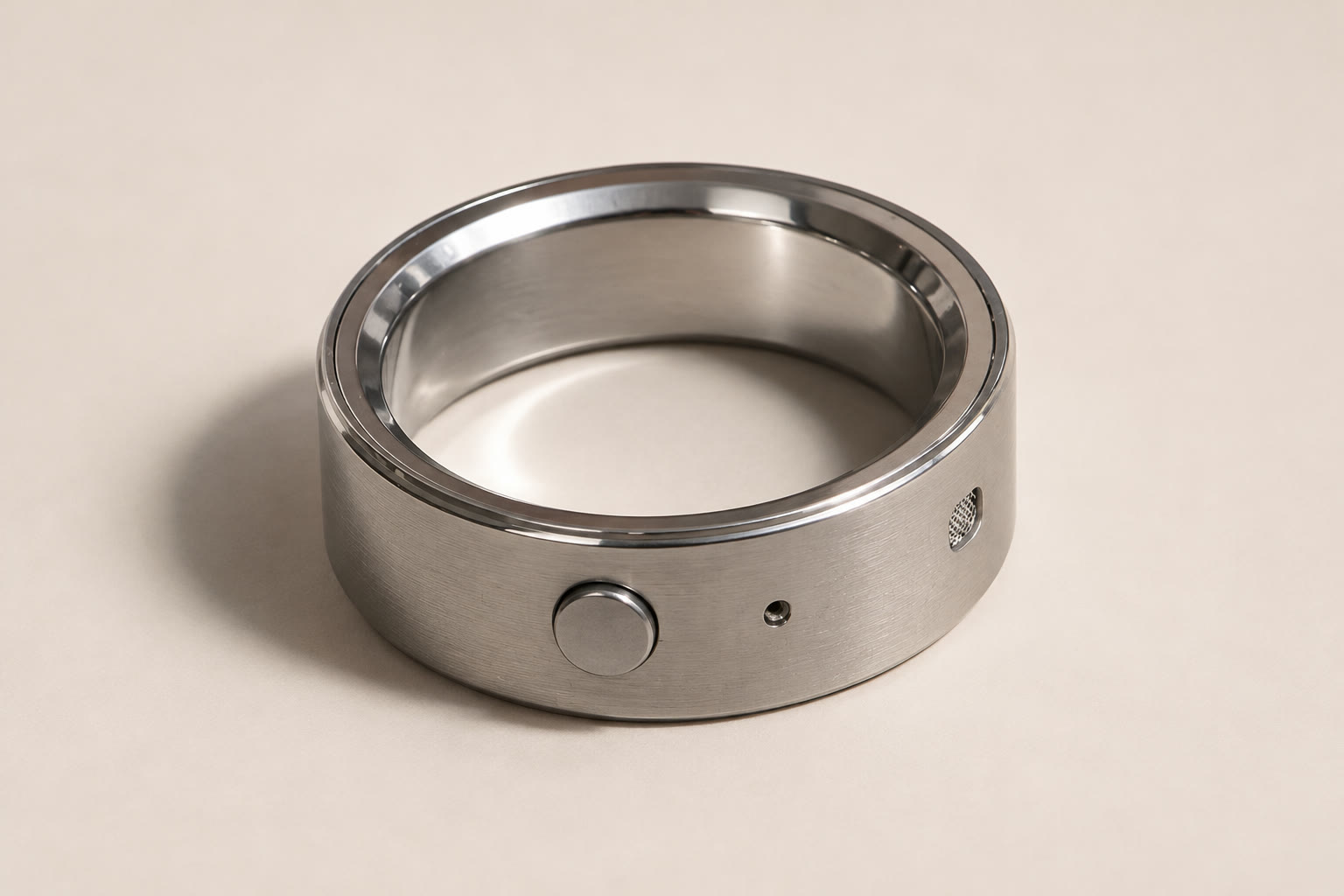
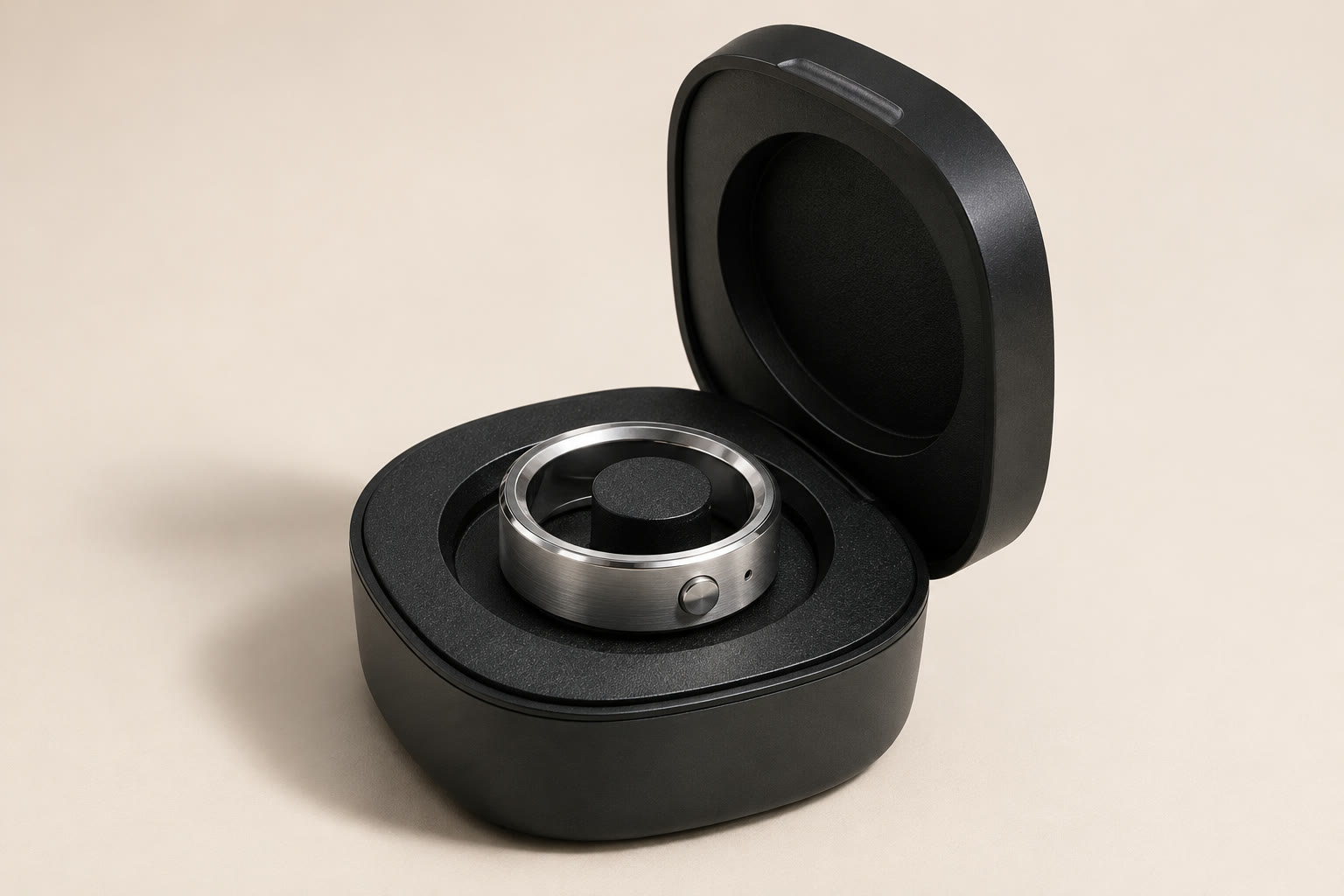
- Both parents? A second ring is £149, and its plan is £9.99 a month
People on the waitlist can order first.
GemCare is built on research into prospective memory, the memory for things you mean to do later. In one study, people with mild memory problems who recorded their own plans in their own voice did better than those using a standard reminder app. Scullin et al. 2022
Questions families ask
Will they feel watched?
It’s built so that your parent is in charge. They set their own reminders, they choose who’s in their circle, and it hears them only after they press. You see whether things got done, not what was said.
How do I bring it up?
Start with what it does for them: it’s a ring that remembers what they tell it, and they’re the one who sets it. Then set it up together. Pair the ring, add the family, and try a first reminder.
What will I get on my phone?
Most days, a daily view showing what’s done. A short note if something’s still not done after a few reminders. An alert straight away for a fall, an SOS, or the ring not being worn.
What if they forget to press “done”?
GemCare reminds them again, a little more firmly, then sends you a note. Now and then it also checks gently (“Did you take it?”), in case “done” was pressed just to stop the buzz.
What if they take it off, or forget to charge it?
The ring knows when it’s being worn. You’ll hear if it hasn’t been on, or if the battery is low. A charge lasts 6 to 12 days, and the charging case tops it up about ten times before the case itself needs charging.
What happens after a fall?
The ring buzzes and their phone asks “Are you all right?”. If they don’t answer, everyone in their circle is alerted with their location, and each alert prompts a call to 999.
Is there a 24-hour response centre?
No. Alerts go to the people your parent chooses: family, friends, neighbours or carers.
Do they need a smartphone?
No. The GemCare phone comes ready to use and shows only GemCare.
Does it work when they’re out?
Yes, with their phone in a pocket or bag. Reminders are stored on the ring, so it buzzes anywhere. Fall and SOS alerts are sent through the phone.
Can it be worn in the shower?
Yes. It’s sealed for everyday wear, so washing up, washing hands and showering are all fine.
What sizes are there?
Seven sizes, from UK O to Z+1 (US 7 to 13). It’s worn on the index finger, so the thumb rests on the button.
Is GemCare a medical device?
No. GemCare supports memory and safety at home. It doesn’t diagnose or give medical advice, and it doesn’t replace a GP, a care team or 999.
Can both my parents have one?
Yes. Each wears their own ring, at £149 each, and you follow both in the same Companions app. The second plan is £9.99 a month instead of £14.99.
How much does it cost?
£149 for the ring and its charging case. The first 3 months are included, then it’s £14.99 a month, which covers the Companions app for the whole family.
Make the next call about something else.
Join the waitlist and we’ll tell you when you can order. We’ll only email you about GemCare.
Prefer to talk? Email info@mygemcare.com and we’ll call you back.